SPITI VALLEY
Moonlike mountains, 1,000-year-old monasteries and villages above 4,000 metres. Three ways to see it, depending on your season.
See the 3 Trips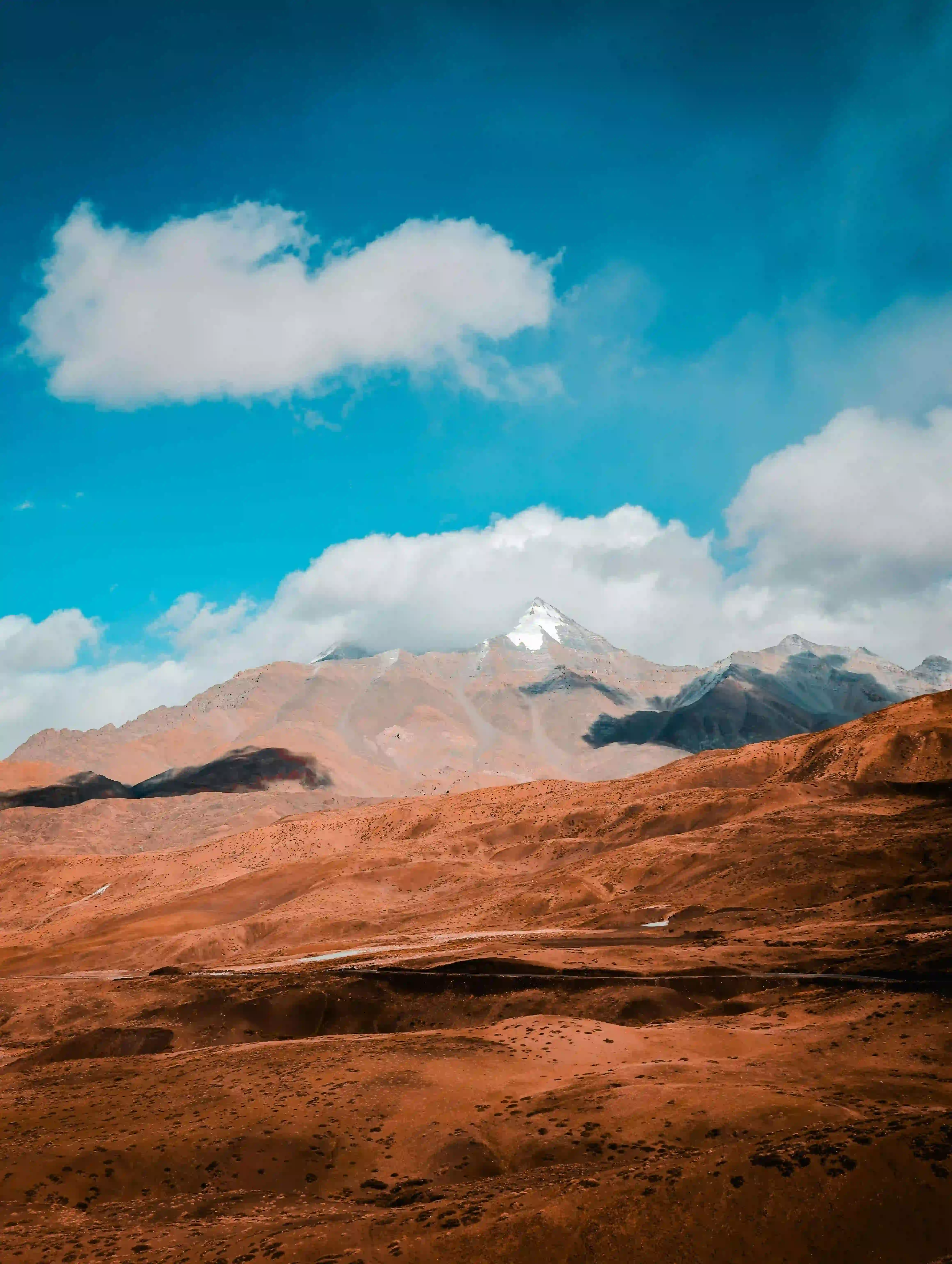 Cold Desert
 Up to 4,500m
 3 Trip Options
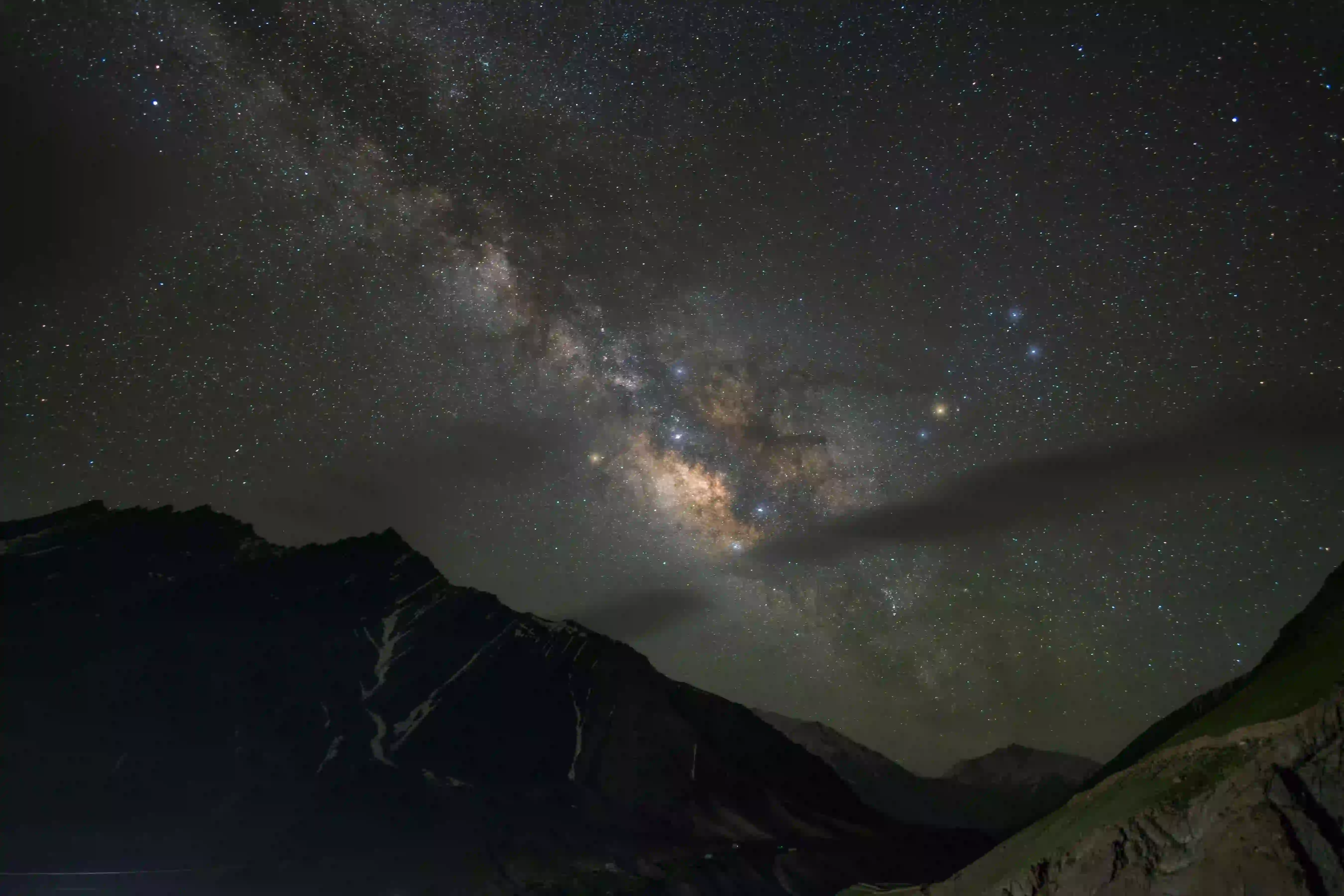 Milky Way Skies
A Desert Between the Peaks
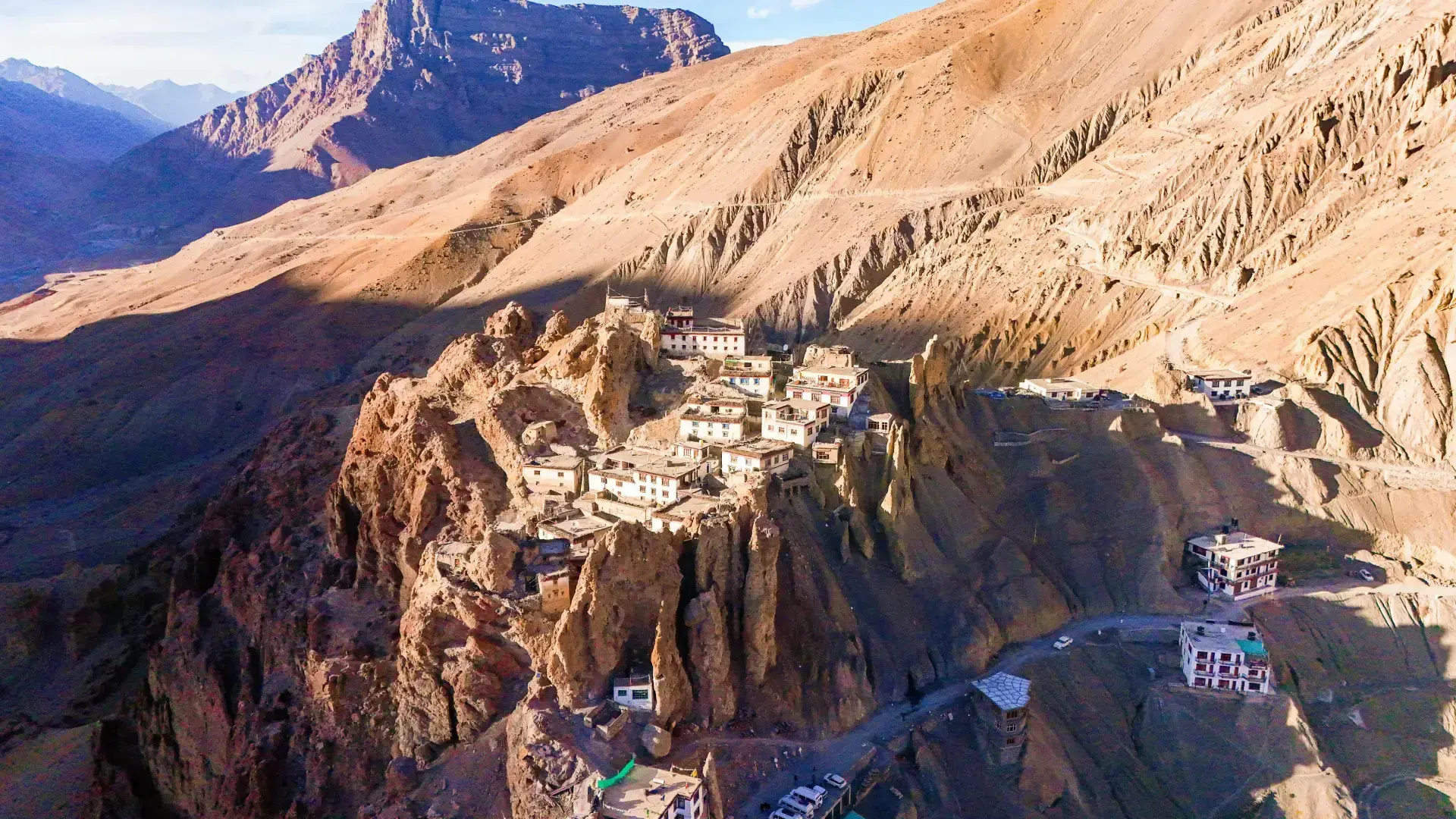
Spiti means "the middle land" — the stretch between India and Tibet, in the rain shadow of the Himalayas. The result is a cold desert: bare, sand-coloured mountains, a thin ribbon of green along the river, and villages that look like they belong on the moon more than in Himachal Pradesh.
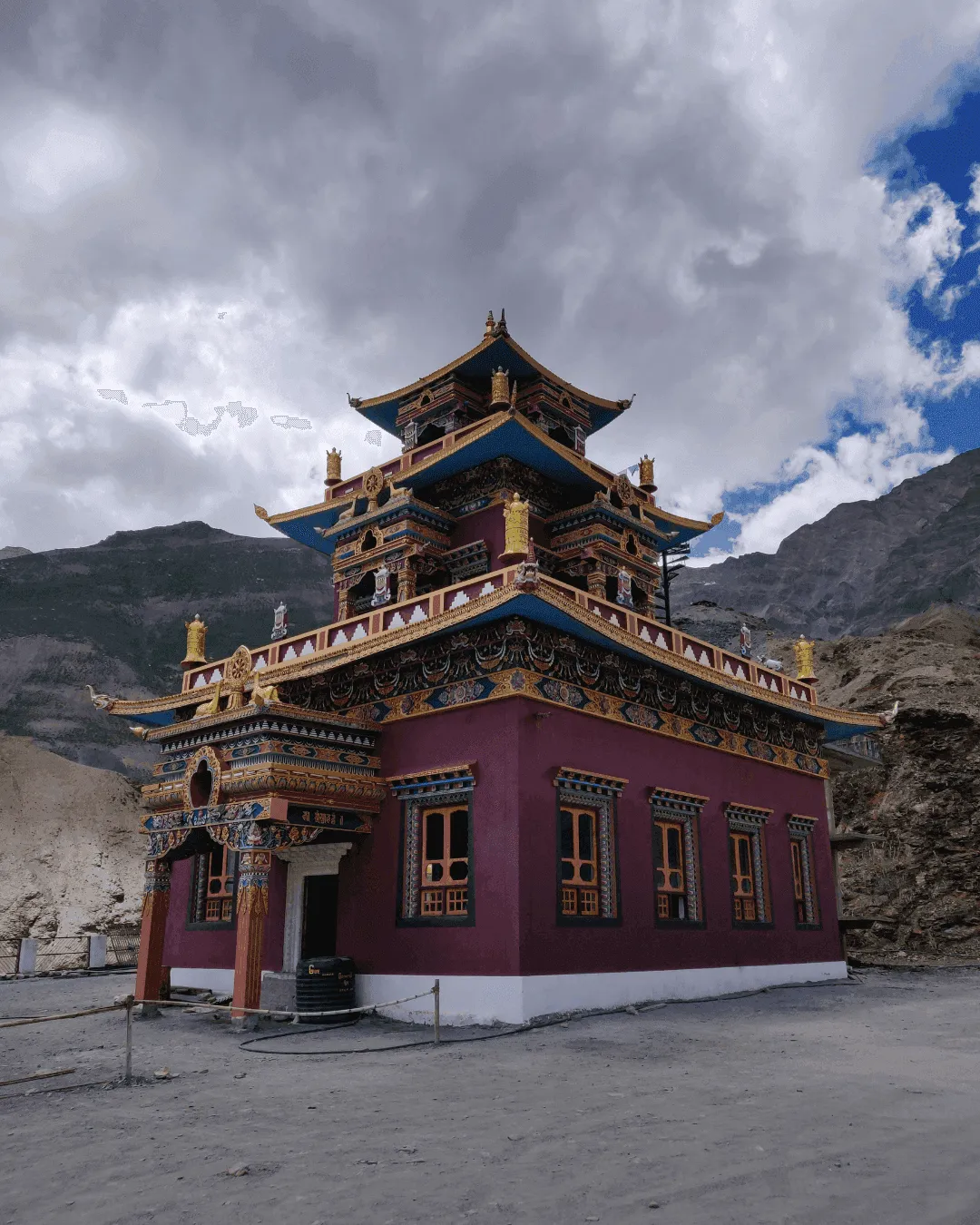
Spiti's monasteries are centuries older than most of what you'll find elsewhere in the Himalayas — Tabo was founded in 996 CE. Its villages, Komic, Langza, Hikkim and Kibber among them, sit at altitudes most Himalayan treks never reach, several of them motorable, which is part of what makes Spiti unlike anywhere else TripoMusafir runs trips.
Choose Your Spiti
Same valley, three honest ways to see it. Here's what actually changes between them.
What's Included
Trip Captain
An experienced trip captain with you for the entire journey
Transport
Tempo Traveller / SUV transfers from Delhi and back
Stay & Permits
Camps, homestays or hotels as per the itinerary, plus inner line permits
Meals
Breakfasts and dinners through the trip, as specified per package
Exact inclusions vary slightly by trip — check each trip page for its full inclusions, exclusions and pricing tiers.
Must-See in Spiti
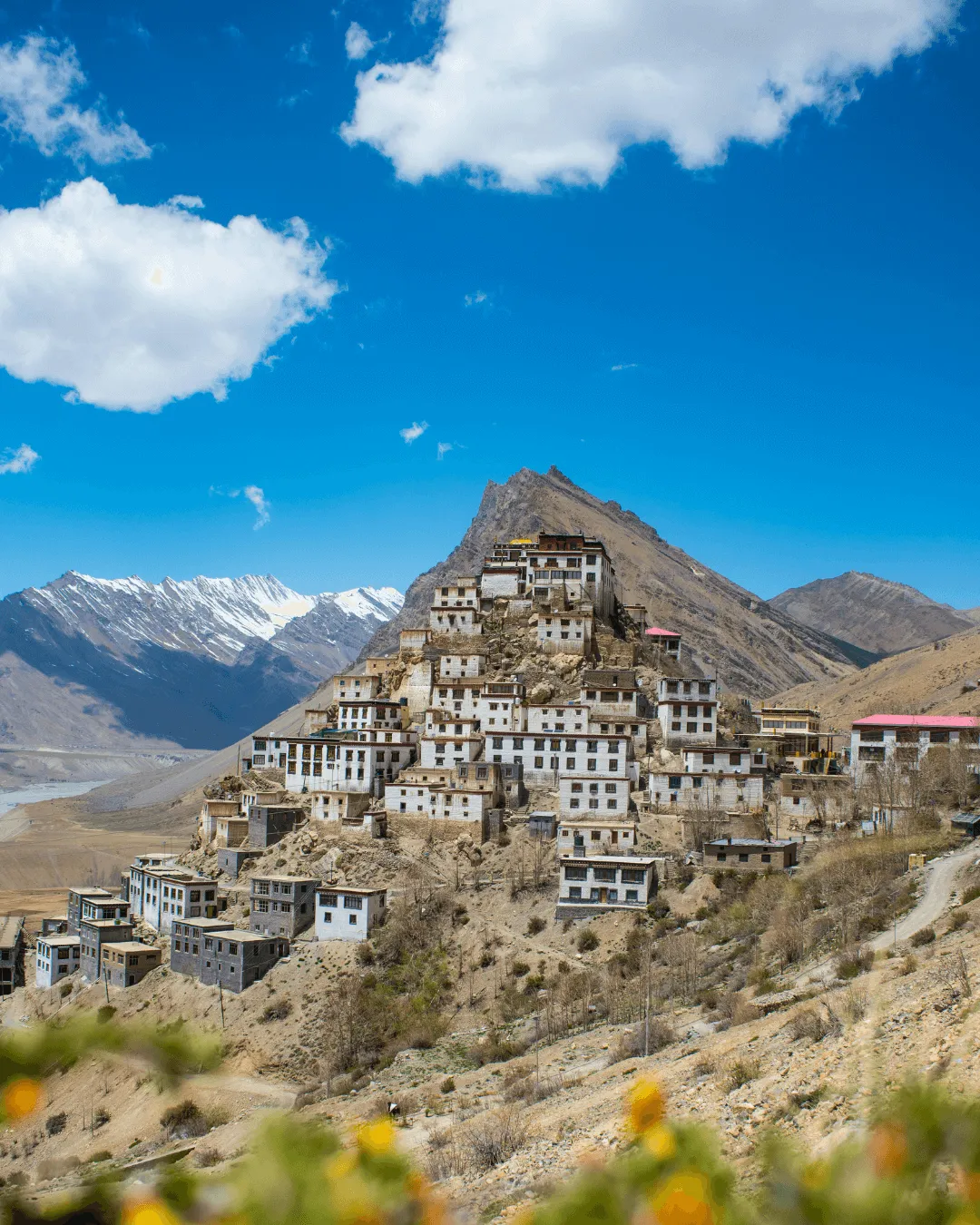
Key Monastery
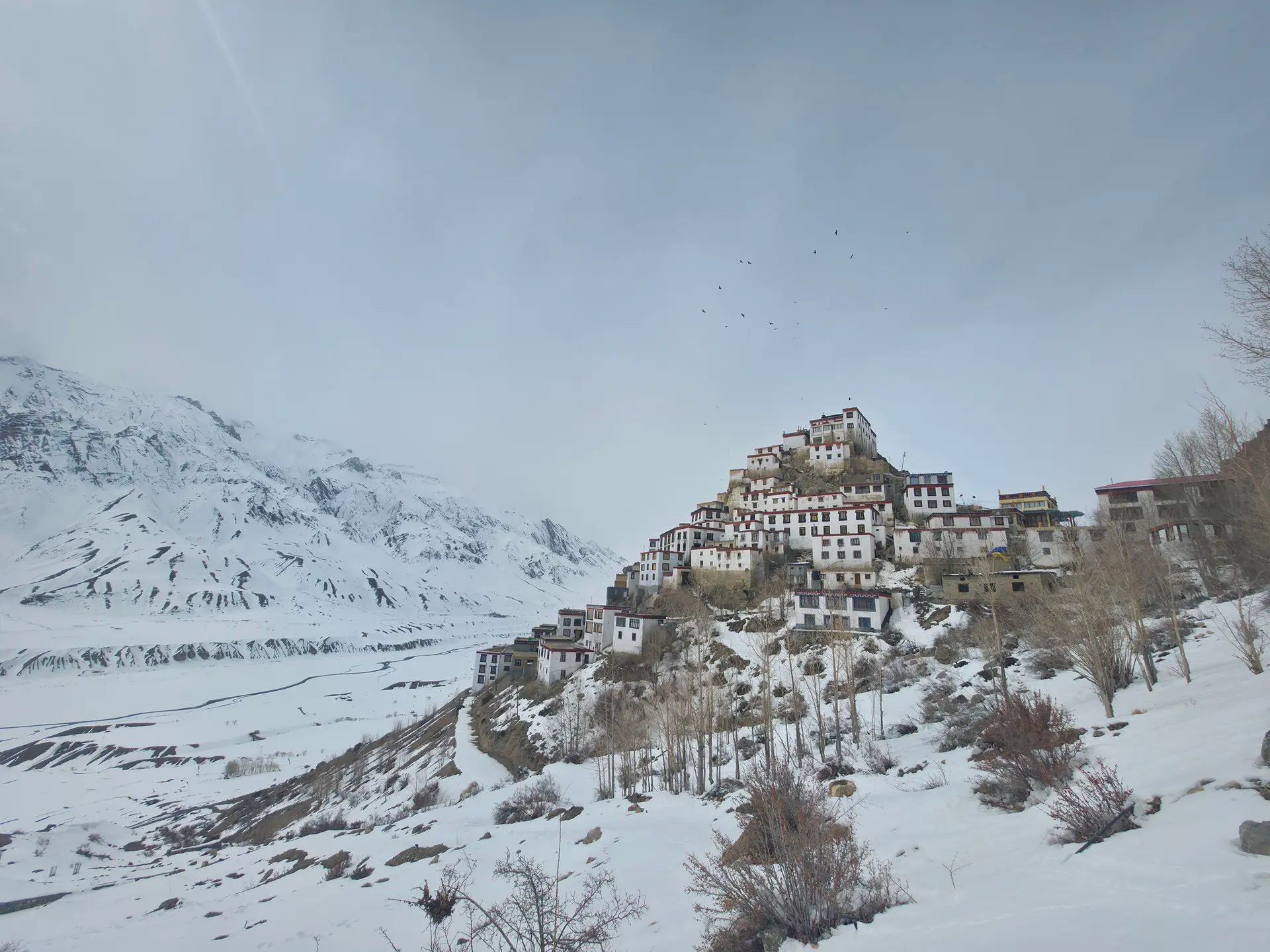
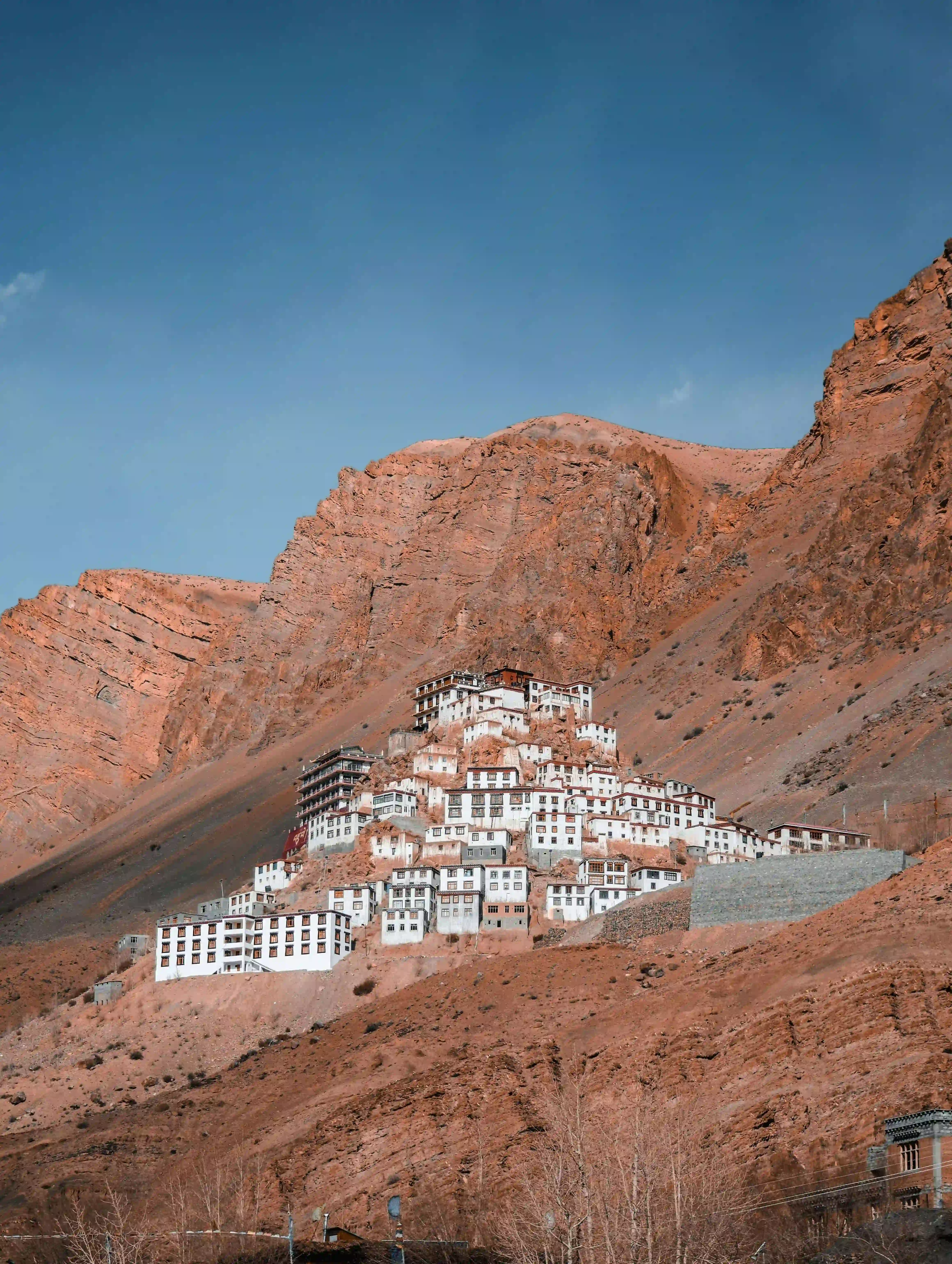
The largest monastery in Spiti, stacked up a hillside above the Spiti river, visible on all three trips.
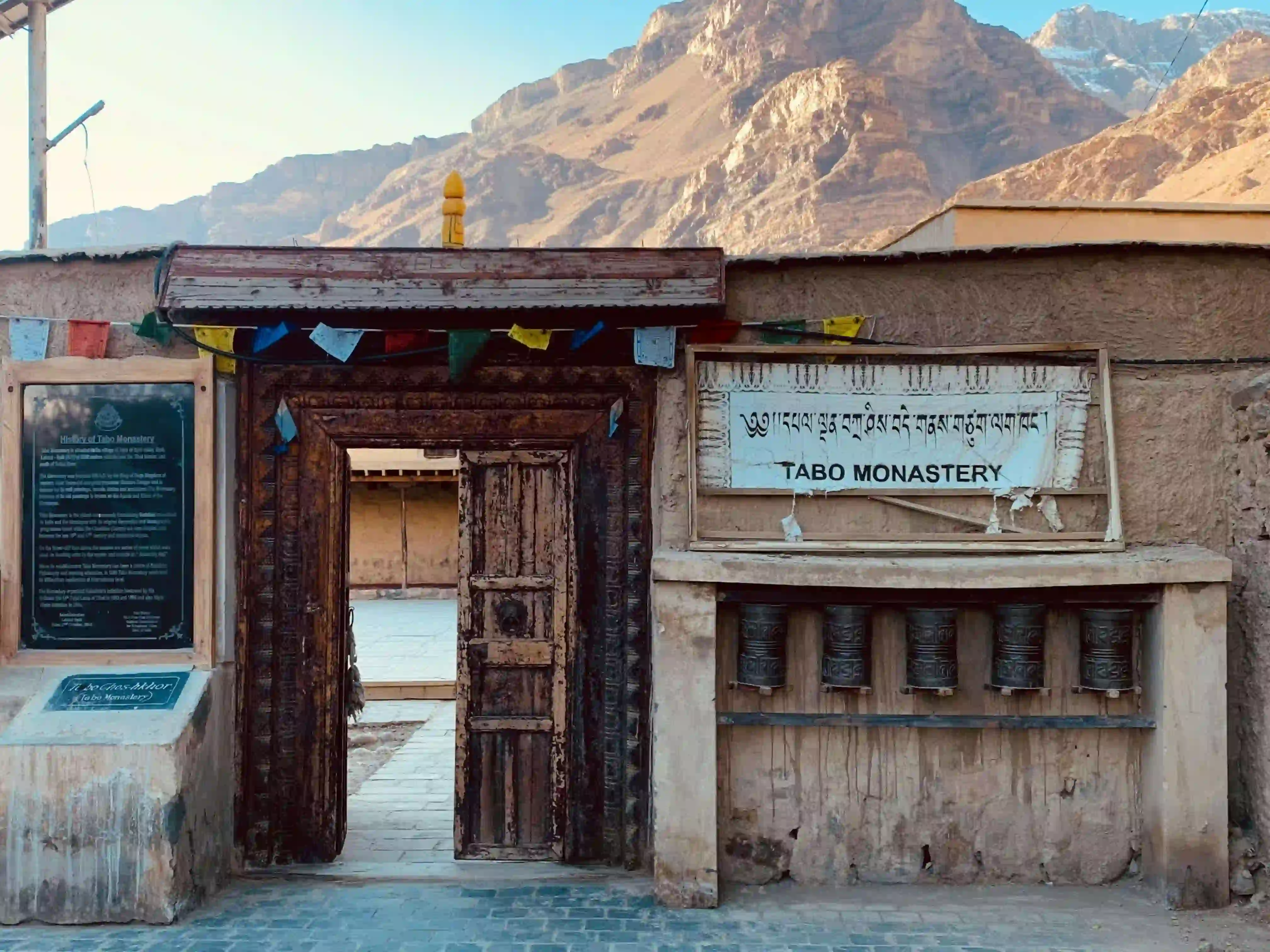
Tabo Monastery
Founded in 996 CE, among the oldest continuously running Buddhist monasteries in the Himalayas.
The Cold Desert
Bare, moonlike mountains in every direction, more Ladakh-meets-Tibet than anywhere else in Himachal.
Stargazing
Almost no light pollution above 3,000 metres means the Milky Way is visible to the naked eye on a clear night.
The High-Altitude Roads
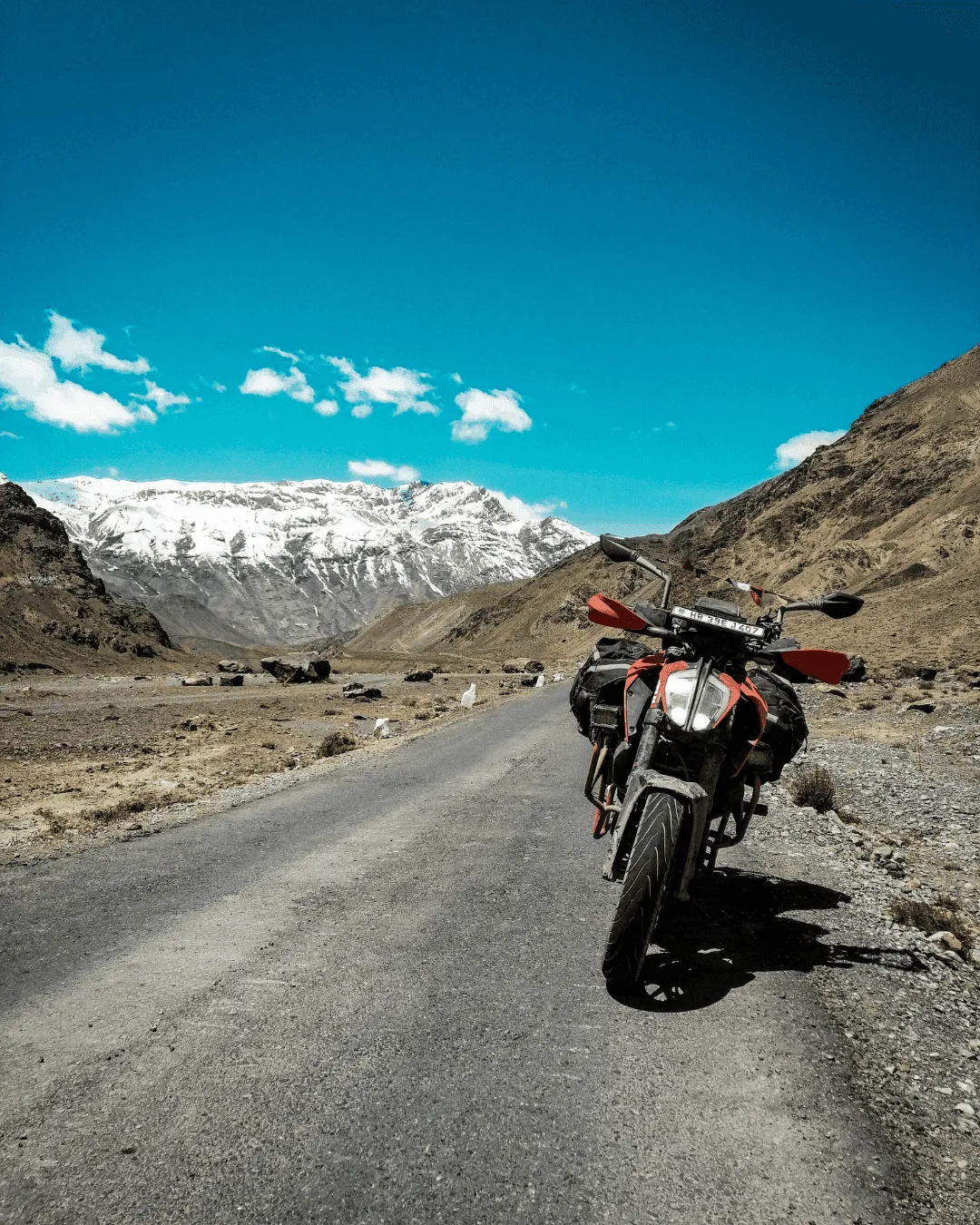
Spiti's roads are half the experience — hairpins, river crossings and passes well above 4,000 metres.
Best Time — Summer
Mid-June to October. The Manali-Kunzum La route is open, Chandratal is accessible, and the barley fields along the river are green. This is when the summer trip and full circuit run.
Best Time — Winter
December to February. Snowbound, quiet, and reached only via Shimla and Kinnaur since the Manali side shuts for the season. Chandratal is not accessible; this is what the winter trip covers.
How to Reach
There's no train line or airport in Spiti. Every TripoMusafir Spiti trip is a road journey from Delhi, either via Manali or via Shimla and Kinnaur depending on the season — transport both ways is included.
Altitude & Safety
Spiti runs 3,000–4,500m. Our itineraries build in acclimatisation days, and an oxygen cylinder and medical kit travel with the group on every departure.
Frequently Asked Questions
Everything travellers ask before choosing a Spiti trip
If you want to see Spiti under snow and don't mind skipping Chandratal (closed in winter), pick the 9D/8N winter trip via Shimla and Kinnaur. If you want Chandratal Lake on a quick trip, pick the 4N/5D short circuit via Manali. If you want the complete Kinnaur-Spiti-Manali loop with more stops, pick the 9D/8N full circuit.
Mid-June to October is the easiest window, with the Manali-Kunzum La route open and Chandratal accessible. December to February is for winter travellers who want to see Spiti under snow, reached only via Shimla and Kinnaur since the Manali side closes.
There are two road routes: via Manali and Kunzum La (open roughly June to October), or via Shimla and Kinnaur, which stays motorable through winter. There is no train or airport in Spiti; all TripoMusafir Spiti trips include return transport from Delhi.
Spiti sits between 3,000 and 4,500 metres, so mild altitude sickness is common. Our itineraries build in gradual acclimatisation, and an oxygen cylinder and basic medical kit are carried on every trip.
Indian nationals do not need an inner line permit for most of Spiti itself, though parts of the route near the Indo-Tibet border require one. Permits for any restricted stretch are arranged as part of the trip.
Network is limited to BSNL and Jio in a few towns like Kaza, and is patchy or absent for most of the route. It is worth informing family before you lose signal for a few days.
Your next adventure starts with a hello

- Personalised itineraries, made for you
- Our experts reply within 24 hours
- 100% secure & private no spam
Plan Your Journey
Ready for Your Next Adventure?
Let Our Experts Craft Your Perfect Trip