Kedarnath is one of the holiest pilgrimages in India and one of the most breathtaking places you can travel to in the Himalayas. This complete Kedarnath travel guide walks you through everything you need to plan the trip, whether you are trekking up for darshan or flying in by helicopter. Use the guide below to plan your Kedarnath yatra with confidence.
About Kedarnath
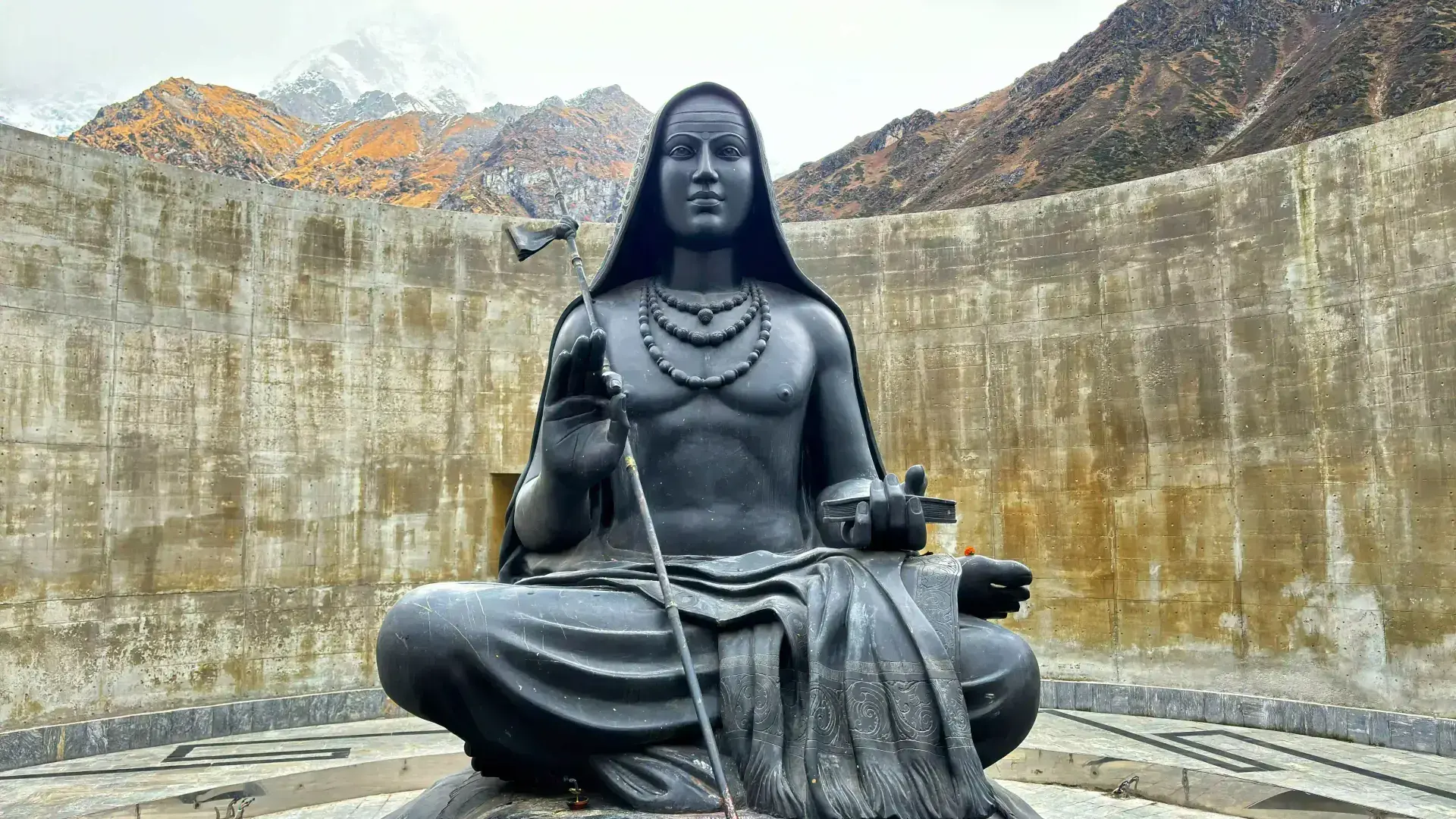
Kedarnath is home to one of the twelve Jyotirlingas of Lord Shiva. Set at around 3,583 metres in the Garhwal Himalayas of Rudraprayag district, Uttarakhand, the ancient stone temple sits beside the Mandakini river, framed by snow capped peaks. It forms part of both the Char Dham and the Panch Kedar circuits.
Legend traces the shrine to the Pandavas, and its present structure to Adi Shankaracharya. Reaching Kedarnath is a journey in every sense, a long drive into the mountains followed by a demanding trek, rewarded by one of the most powerful spiritual experiences in the country.
Best Time to Visit
The Kedarnath temple stays open for roughly six months a year. The doors open around late April or early May, on Akshaya Tritiya, and close around late October or early November, around Bhai Dooj. The best months to visit are May and June, and then September and October, when the weather is relatively stable and the skies are clear.
The monsoon months of July and August bring heavy rain and a real risk of landslides and roadblocks, so most travellers avoid them. Crowds peak in May, June and during festivals, so plan and book early if you travel then.
How to Reach Kedarnath
- By air: the nearest airport is Jolly Grant in Dehradun, about 240 km from Gaurikund, from where you continue by taxi or bus.
- By train: the closest railheads are Rishikesh, Haridwar and Dehradun, all well connected to major cities, with the onward journey by road.
- By road: drive to Sonprayag (around 210 to 220 km from Rishikesh, roughly 8 to 10 hours), take a shared local taxi to Gaurikund, and begin the trek from there.
Registration Process
Char Dham Yatra registration is mandatory for Kedarnath. Register online before you travel on the official Uttarakhand portal (registrationandtouristcare.uk.gov.in) or the Tourist Care Uttarakhand app, or in person at offline counters in Haridwar, Rishikesh, Sonprayag and other points along the route.
You will need a photo ID such as an Aadhaar card, a mobile number and your travel dates. Carry your registration slip or QR code with you, as it is checked at several points en route. If you are flying in, a separate biometric registration may also be required.
Trek Details
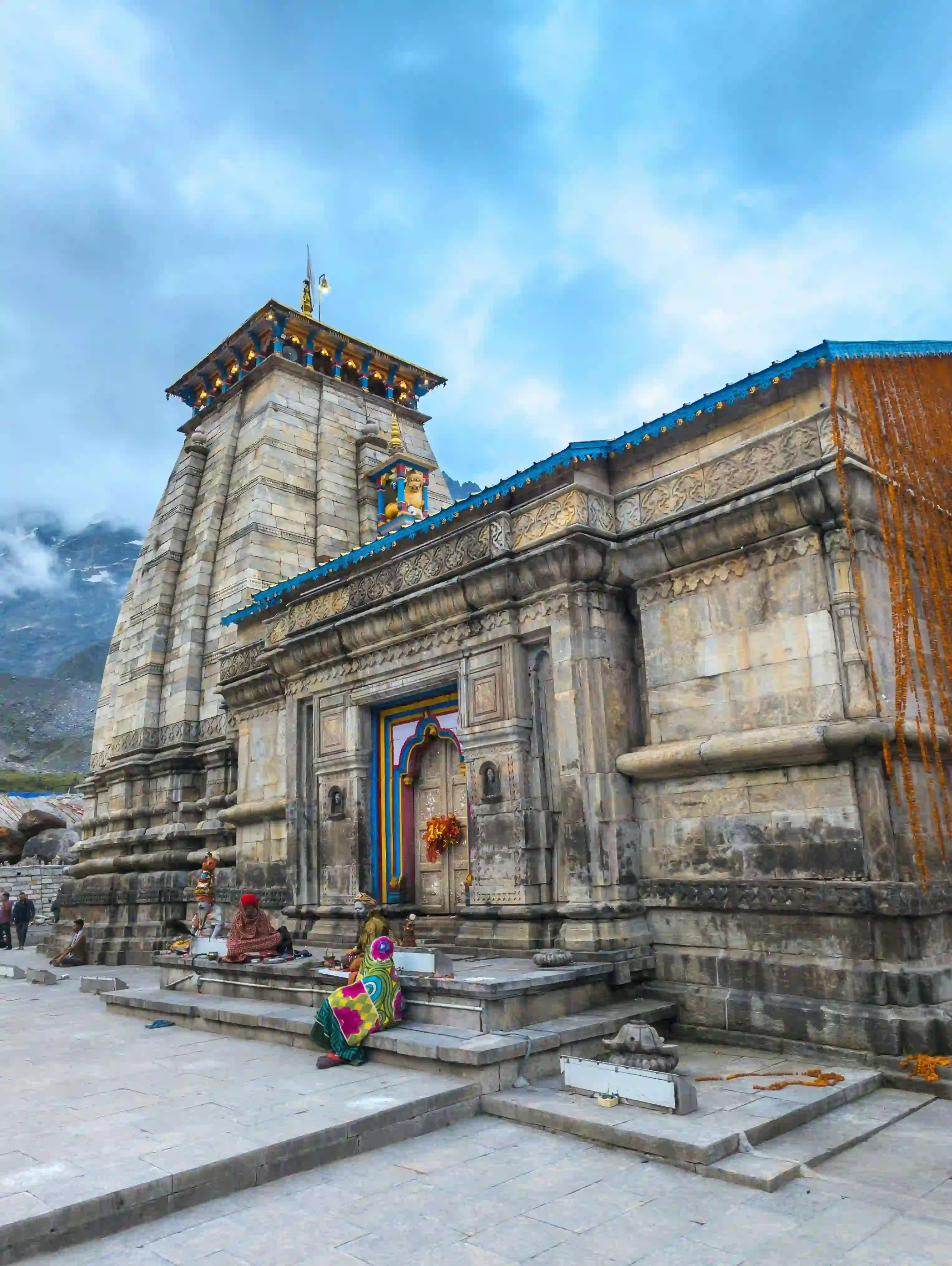
The classic trek to Kedarnath begins at Gaurikund and covers roughly 16 km, climbing to 3,583 metres. It takes most people 8 to 10 hours at a steady pace. The path is paved but steep in stretches.
If you would rather not walk, you can hire a pony or mule, a palki (palanquin) or a porter at Gaurikund. Start early in the morning, keep a slow rhythm, hydrate often and carry light snacks. Reach Sonprayag first, take a shared local taxi to Gaurikund, and begin the climb from there.
Helicopter Booking
If time is short or the trek feels daunting, helicopter services run from Phata, Sersi and Guptakashi to Kedarnath. Book only through the official IRCTC heli yatra portal (heliyatra.irctc.co.in), as fake booking sites are common.
A round trip typically costs in the region of ₹7,000 to ₹9,000 per person, and slots sell out fast in peak season, so book well in advance. Even by helicopter, you still walk a short distance from the helipad to the temple.
Weather
Kedarnath is cold for most of the yatra season. Daytime temperatures usually sit between 8 and 18 degrees, while nights can fall close to or below freezing, especially early and late in the season. The weather changes quickly, with sudden rain, mist and even snow at any time. During the monsoon, landslides and flash floods are a serious risk. Always carry warm layers and reliable rain protection, and check the forecast before you set out.
Accommodation
Most travellers base themselves at Guptakashi, Sonprayag, Sitapur or Phata, which have hotels, homestays and GMVN guesthouses. At Kedarnath itself the options are basic, including GMVN accommodation, tents, dharamshalas and small homestays close to the temple. In peak season rooms fill fast and prices rise, so book ahead. On our trips, stays and the whole route are arranged for you, so you can focus on the darshan.
Packing List
- Warm layers and a fleece or down jacket
- A waterproof jacket or poncho
- Sturdy trekking or walking shoes with good grip
- Woollen cap, gloves and warm socks
- Sunscreen, sunglasses and a sun cap
- A refillable water bottle and dry snacks
- Personal medicines and a small first aid kit
- A power bank and a torch
- Your photo ID and yatra registration slip
- Enough cash, as ATMs are scarce beyond the base towns
- A walking stick for the trek
Budget
A Kedarnath trip can suit most budgets. If you travel independently, expect to spend on transport, stays (roughly ₹800 to ₹2,500 a night), food and either a pony (around ₹3,000 to ₹4,000 one way) or a helicopter (around ₹7,000 to ₹9,000 round trip). A simple do it yourself trip often works out to around ₹8,000 to ₹15,000 per person, more if you add a helicopter.
A guided group package like ours starts at ₹8,999 per person and bundles transport, stays, meals and a trip captain, which usually works out simpler and better value once you add everything up.
Mobile Network
Network in the Kedarnath region is patchy. Jio and BSNL tend to work best around Guptakashi, Sonprayag and Sitapur, but connectivity is limited to none on the trek and at Kedarnath itself. Postpaid connections generally work better than prepaid in the hills. Download offline maps, share your plan with family before you lose signal, and treat it as a chance to switch off.
Food
Food along the Kedarnath route is simple, vegetarian and satisfying. Dhabas on the trek serve hot Maggi, tea, parathas, rice and dal, and there are meals and a GMVN canteen near the temple. As a sacred site, Kedarnath serves only vegetarian food, and alcohol is best avoided entirely, especially at altitude. Carry some dry snacks, glucose and water for energy on the climb.
Medical Facilities
Kedarnath sits at high altitude, so acute mountain sickness is a real risk. There are medical posts at Gaurikund, along the trek and a health facility near the temple, with emergency helicopter evacuation in serious cases. Get a basic health check before you travel, especially if you have heart, breathing or blood pressure conditions, and carry your regular medicines. Ascend slowly, stay hydrated, avoid alcohol, and tell someone immediately if you feel breathless, dizzy or unwell.
Kedarnath Travel Guide FAQs
Is the Kedarnath trek difficult?
It is moderate to challenging. The climb from Gaurikund is roughly 16 km and steep in places, but it is manageable at a slow, steady pace. If you would rather not walk the whole way, ponies, palki and helicopter services are all available.
Is registration mandatory for Kedarnath?
Yes. Char Dham Yatra registration is compulsory. Register online on the official Uttarakhand portal or the Tourist Care app, or at an offline counter, and carry your registration slip or QR code, as it is checked along the way.
How many days do you need for Kedarnath?
Most people need two to five days depending on where they start from and whether they trek or take a helicopter. A comfortable trip from Delhi usually runs over four to five days.
Can we do Kedarnath by helicopter?
Yes. Helicopter services run from Phata, Sersi and Guptakashi. Book only through the official IRCTC heli yatra portal, as fake booking sites are common, and reserve early because slots sell out fast.
What is the best time for the Kedarnath yatra?
May and June, and then September and October, offer the most stable weather and clearest views. The monsoon months of July and August are best avoided due to landslides and roadblocks.
Is Kedarnath safe to visit?
Yes, with sensible planning. Respect the altitude and weather, register properly, keep some buffer days for delays, and travel with a trusted operator or a well prepared plan.
Do the Kedarnath Yatra the easy way
Skip the planning headache. Travel with TripoMusafir and get transport, stays, meals and an experienced trip captain, all sorted for you.
View the Kedarnath Yatra