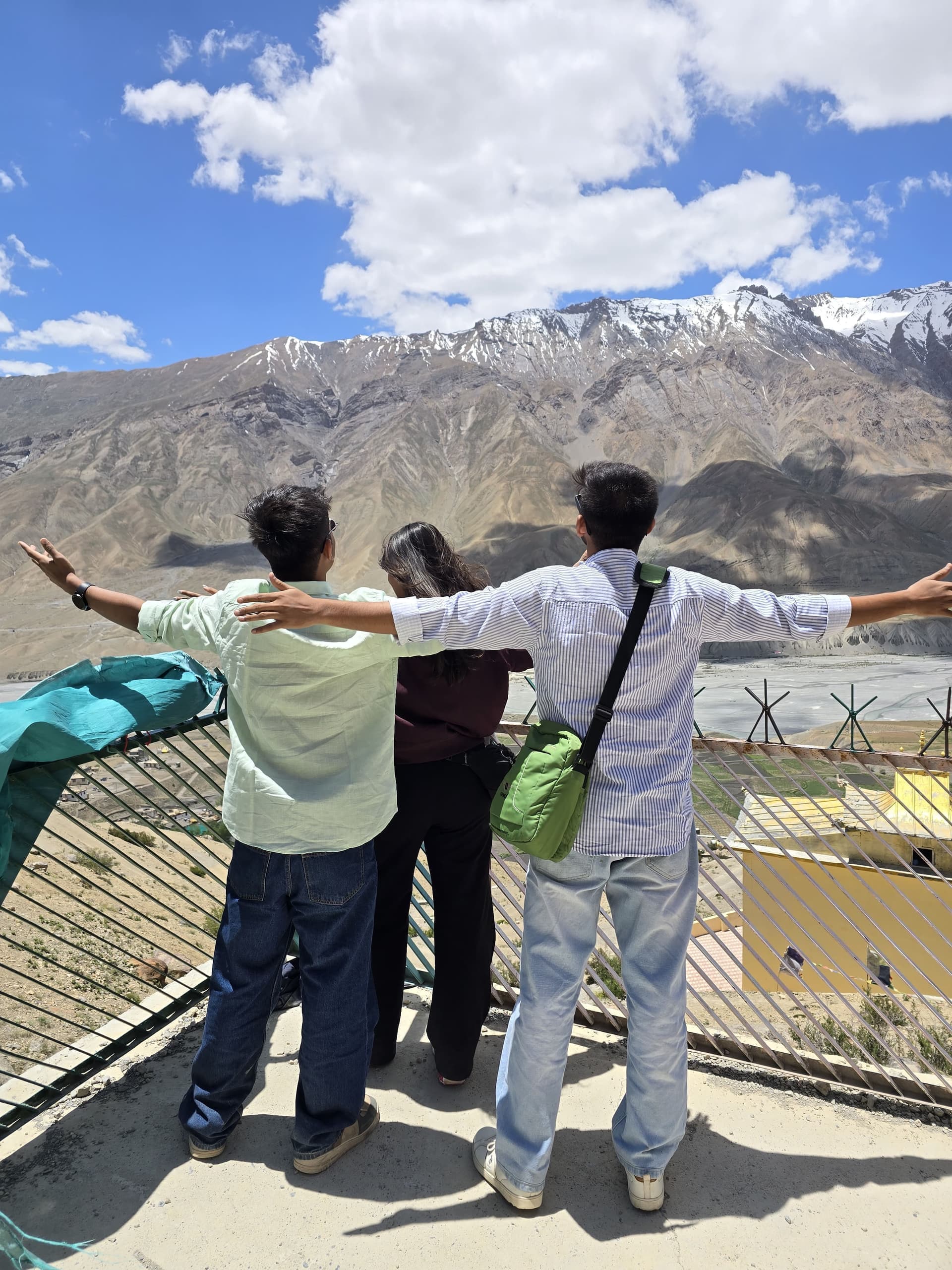
Perched between Himachal Pradesh and the edge of the Tibetan plateau, Spiti Valley is one of the most breathtaking places in India. Think thousand year old monasteries clinging to cliffs, villages that sit among the highest in the world, and a night sky so clear it feels within reach. It is remote, high and raw, which is exactly why the way you travel there makes all the difference. Here is what a Spiti trip with TripoMusafir looks like.
Why Choose Us for Spiti
Spiti is not a place you rush through. It is a high altitude cold desert where the roads are long, the air is thin and the beauty is otherworldly. That is exactly why the company you travel with matters. At TripoMusafir, we have driven every mile of these routes, from the green Kinnaur valley to the barren moonscapes around Kaza.
We know where to slow down for acclimatisation, which viewpoints are worth the detour and how to keep a group safe and comfortable in one of India’s most remote regions. When you choose us for Spiti, you get local know how, small groups, honest pricing and a team that treats the mountains and its people with respect.
Our Itinerary Philosophy
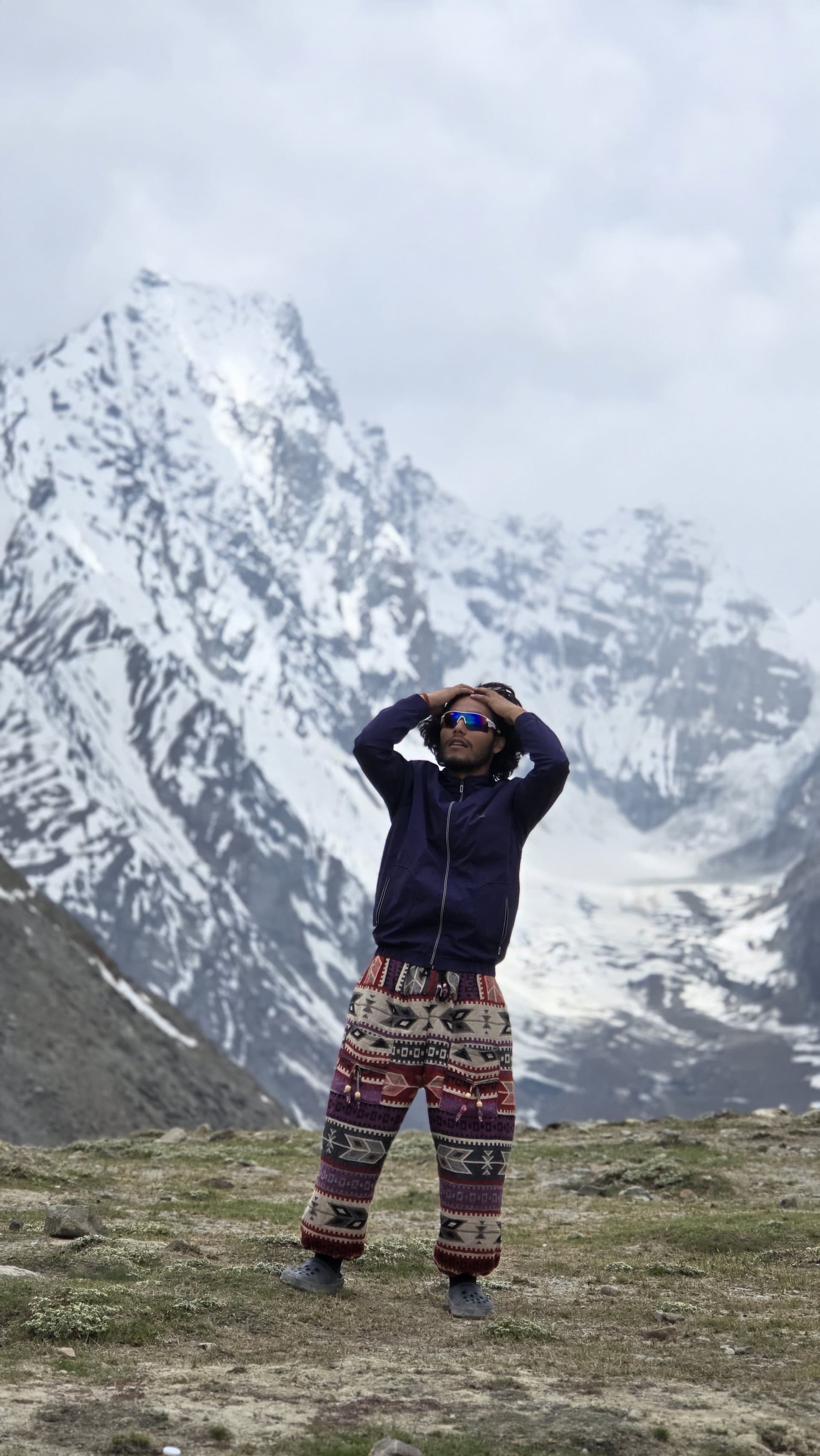
Our Spiti itineraries are built around one belief, that the journey matters as much as the destination. Rather than cramming every landmark into a tight schedule, we give each day room to breathe. We gain altitude gradually so your body has time to adjust, we build in stops at monasteries, villages and viewpoints that most tours skip, and we leave space for the unplanned magic that Spiti is famous for.
A herd of blue sheep on a hillside, a cup of butter tea with a local family, a sky so full of stars it does not look real. We would rather you remember Spiti for how it felt than for a checklist you ticked off in a hurry.
Food
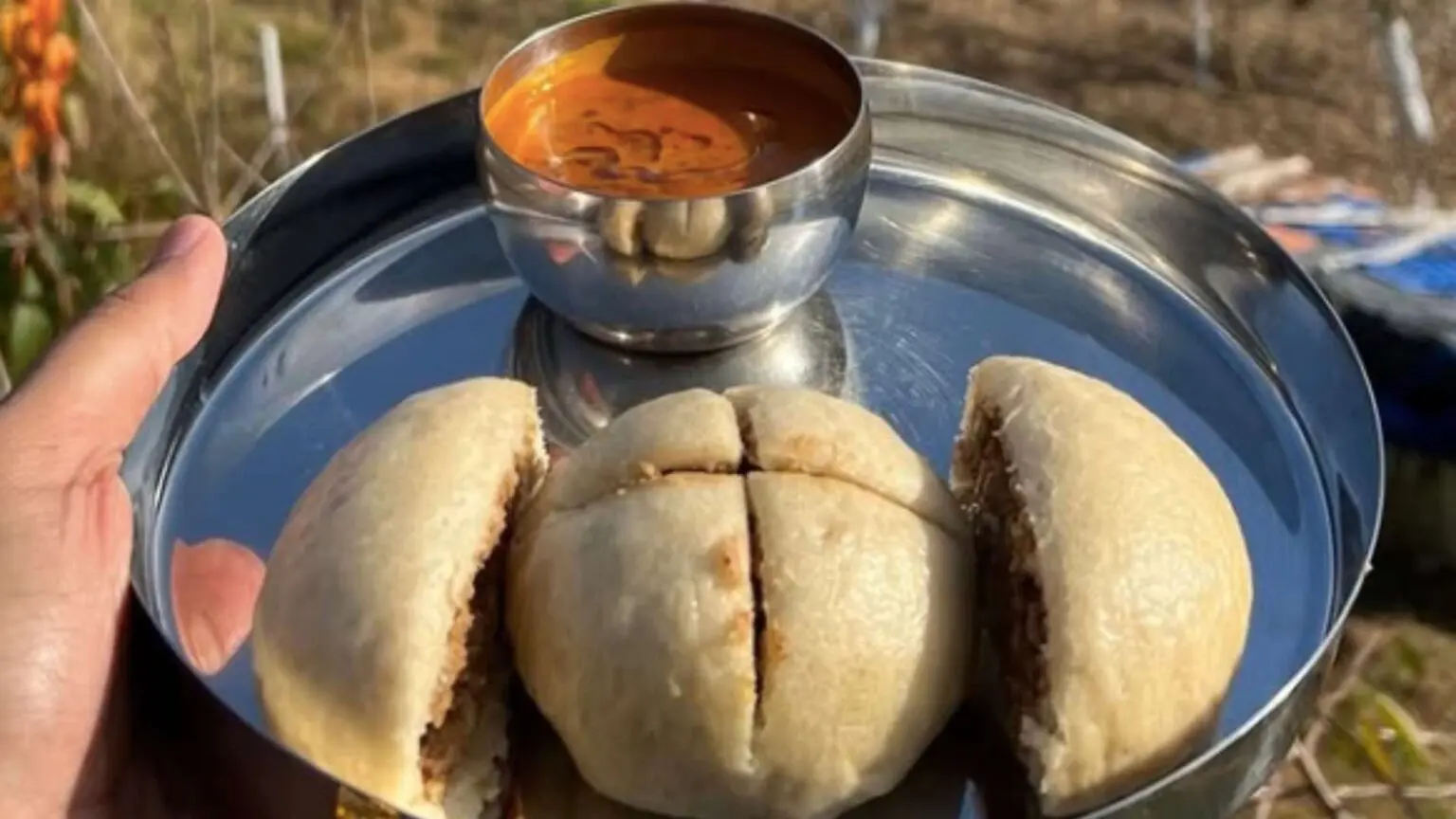
Food in Spiti is simple, warm and deeply satisfying. Expect steaming plates of local thukpa and momos, warming bowls of soup with local breads like sidu, comforting dal and rice and endless cups of chai to keep the cold at bay. We eat at homestays and small family kitchens wherever we can, so your meals are homemade and your money supports the communities that host us.
Vegetarians are well looked after, and we are always happy to help with dietary needs. After a long day on the road, there are few things better than a hot meal shared with your group as the temperature drops outside.
Camps
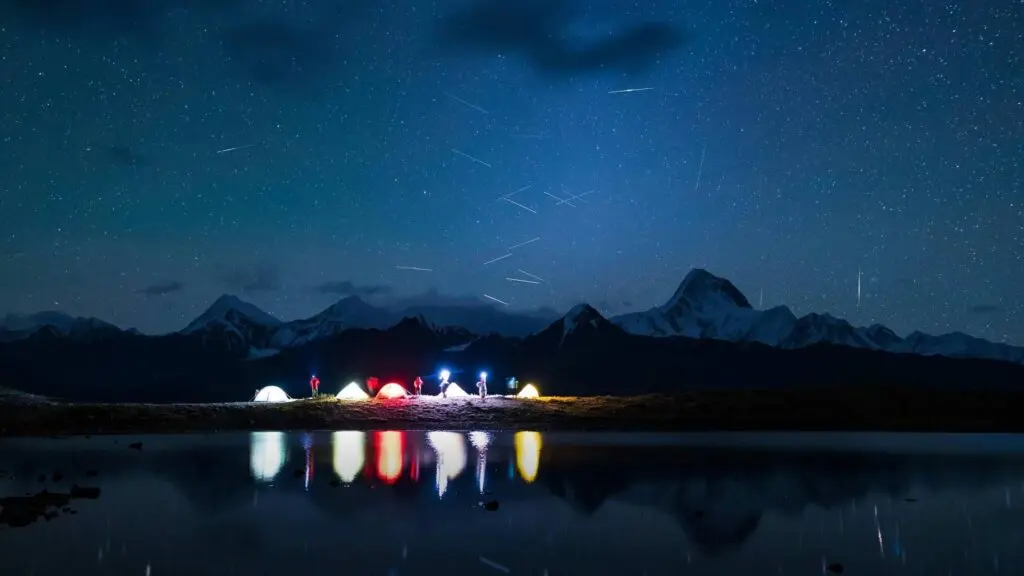
Some of the most magical nights in Spiti are spent under canvas. On our trips we camp at handpicked spots, including the famous shores of Chandratal, the moon lake, where the water mirrors the peaks and the milky way blazes overhead. Our campsites come with warm bedding, hot meals and the kind of silence you can only find at these heights.
Evenings are for bonfires, music and swapping stories, and mornings begin with sunrise on the mountains right outside your tent. Where camping is not possible, we switch to cosy homestays and guesthouses so you are always comfortable.
What Our Travellers Say
Real words from musafirs who have made the journey with us.
Spiti with TripoMusafir was the trip of a lifetime. The pace was perfect, the captain took great care of us and Chandratal at night is something I will never forget.
As a solo traveller I was a little nervous, but by day two the group felt like family. Well organised, safe and so much fun.
Every stop was thoughtfully chosen and the homestay food was incredible. You can tell these people actually know Spiti.
Spiti Valley FAQ
The questions travellers ask us most before they book.
When is the best time to visit Spiti Valley?
The full circuit through Manali and Kunzum Pass usually opens from June to September, while the Shimla to Kaza route stays accessible for longer. Winter Spiti is for the adventurous, with snow, sub zero nights and raw, empty landscapes.
How difficult is the Spiti trip?
It is moderate. Spiti involves long mountain drives and high altitude rather than serious trekking, so anyone reasonably fit can do it. The main thing to respect is the altitude, which we manage with a gradual, well paced itinerary.
Do I need to worry about altitude sickness?
Spiti sits high, so we acclimatise gradually and carry oxygen support on our trips. Stay hydrated, avoid alcohol on the first day, eat light and tell your trip captain right away if you feel unwell.
What kind of stays can I expect?
A handpicked mix of homestays, guesthouses and campsites, chosen for comfort, warmth and location. At spots like Chandratal we camp under the stars, and elsewhere we use cosy local stays.
Is there mobile network in Spiti?
Only BSNL postpaid works in most of Spiti, and even that is patchy. Consider it a rare chance to switch off and be fully present in the mountains.
What should I pack?
Warm layers even in summer, a good jacket, sunscreen, sunglasses, a refillable water bottle, personal medicines and a valid government ID. We share a detailed packing list once you book.
Ready for Spiti?
Three ways to see the valley. Go all in on the full circuit through Kinnaur and Kaza, pick the classic loop with a night at Chandratal, or see it under snow on the winter-only route.